
Gulf Oysters vs. the Rest: A Tasting Guide for Your Wedding Raw Bar
Ask most couples what kind of oysters they're serving and you'll get a shrug — "whatever the caterer brings." I get it, most people have only ever had oysters at a restaurant or a backyard boil where nobody's talking regions. But it's one of the easiest ways I know to turn a raw bar from a nice touch into something guests are actually talking about at the reception.
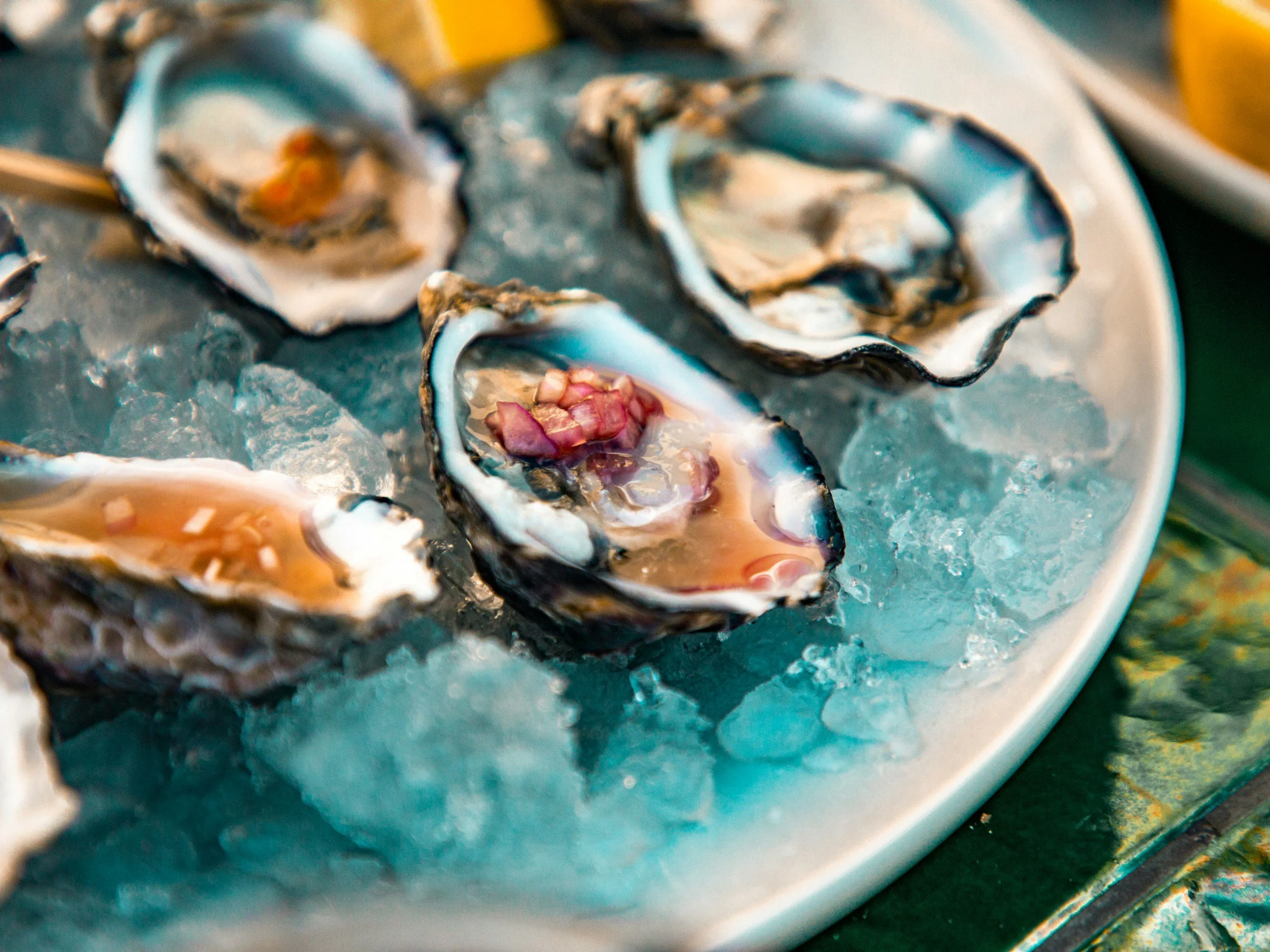
Photo by Anima Visual / Unsplash
Couples Often Don't Realize They Have a Choice
Why most people default to "whatever the caterer brings"
Most folks have only had local oysters, so it doesn't even occur to them that a raw bar can pull from multiple coasts at once, each one tasting genuinely different. It's not something anyone told them to think about.
What variety actually changes about the guest experience
A single-variety raw bar is a food station. Three regions side by side is a tasting — guests start comparing notes, asking questions, going back for "the sweeter one" or "the briny one." That's the shift from eating to tasting, and it's what makes people remember the raw bar instead of just eating from it.
What Makes Gulf Oysters Different
Warmer water, faster growth
Gulf oysters grow fast in warm, nutrient-heavy water, so they hit harvest size quicker than oysters from colder Atlantic or Pacific water. That speed is part of what gives them their size and texture.
Brinier, plumper profile
The result's an oyster that's noticeably bigger and brinier than its East or West Coast cousins. A bolder bite that reads as unmistakably Gulf the second it hits your tongue.
Why that's a distinct experience from other regions
For a New Orleans wedding, Gulf oysters aren't just an option, they're the local, most authentic choice — and putting them next to oysters from elsewhere is a genuinely good way to show your guests what makes this region's seafood different.
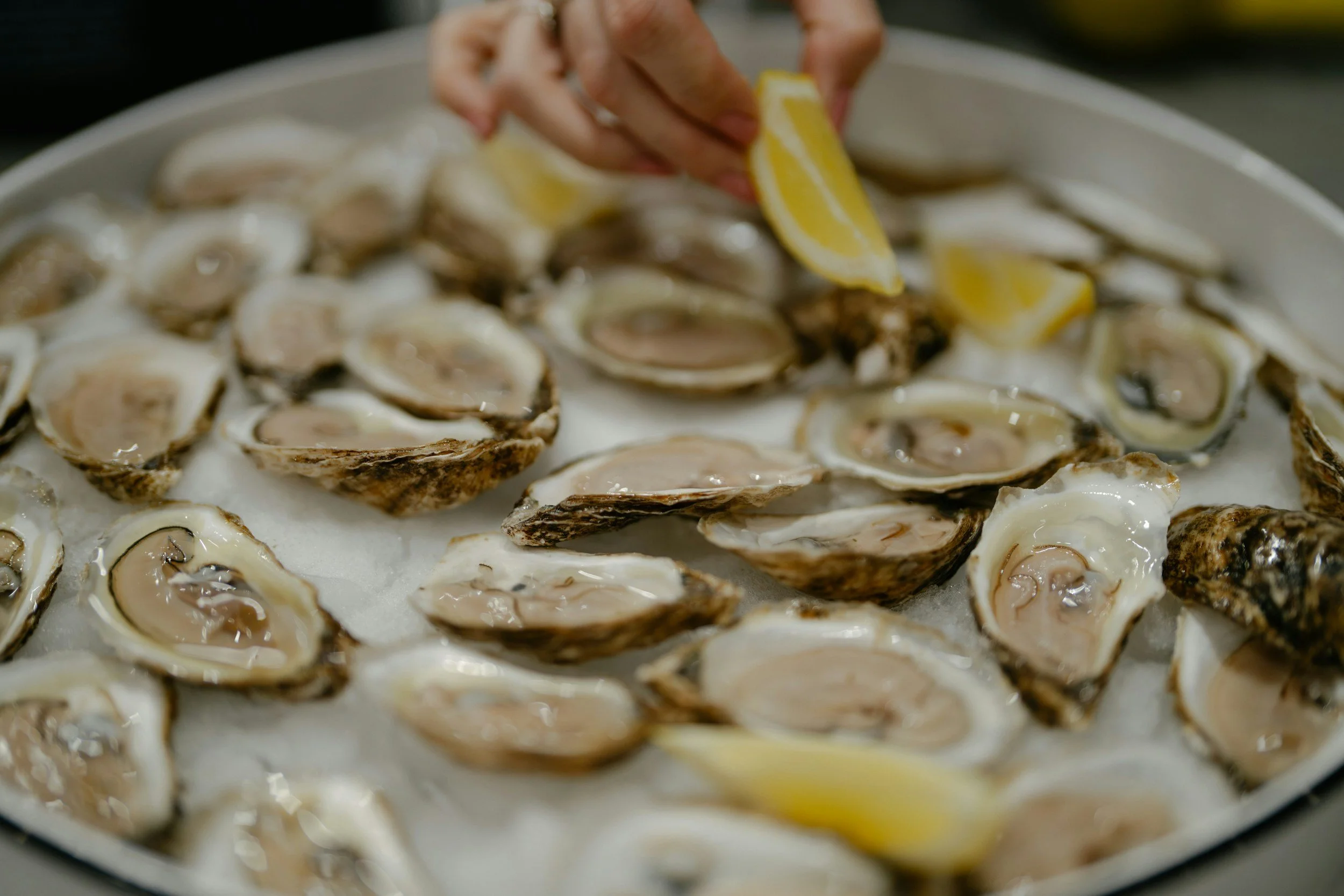
Photo by Olivier Amyot / Unsplash
East Coast and West Coast Varieties for Comparison
Wellfleet and other Atlantic varieties
Wellfleet, out of Cape Cod, is probably the best-known Atlantic variety — firmer, cleaner, more classically briny than a Gulf oyster, without the same plumpness. Other Atlantic varieties follow the same pattern: colder water, slower growth, tighter and more mineral-forward.
Kumamoto and other Pacific varieties
Kumamoto, from the Pacific coast, sits at the opposite end entirely — small, sweet, that distinct cucumber-like finish that reads almost delicate next to a Gulf oyster. This is usually the one that wins over people who swear they don't like oysters.
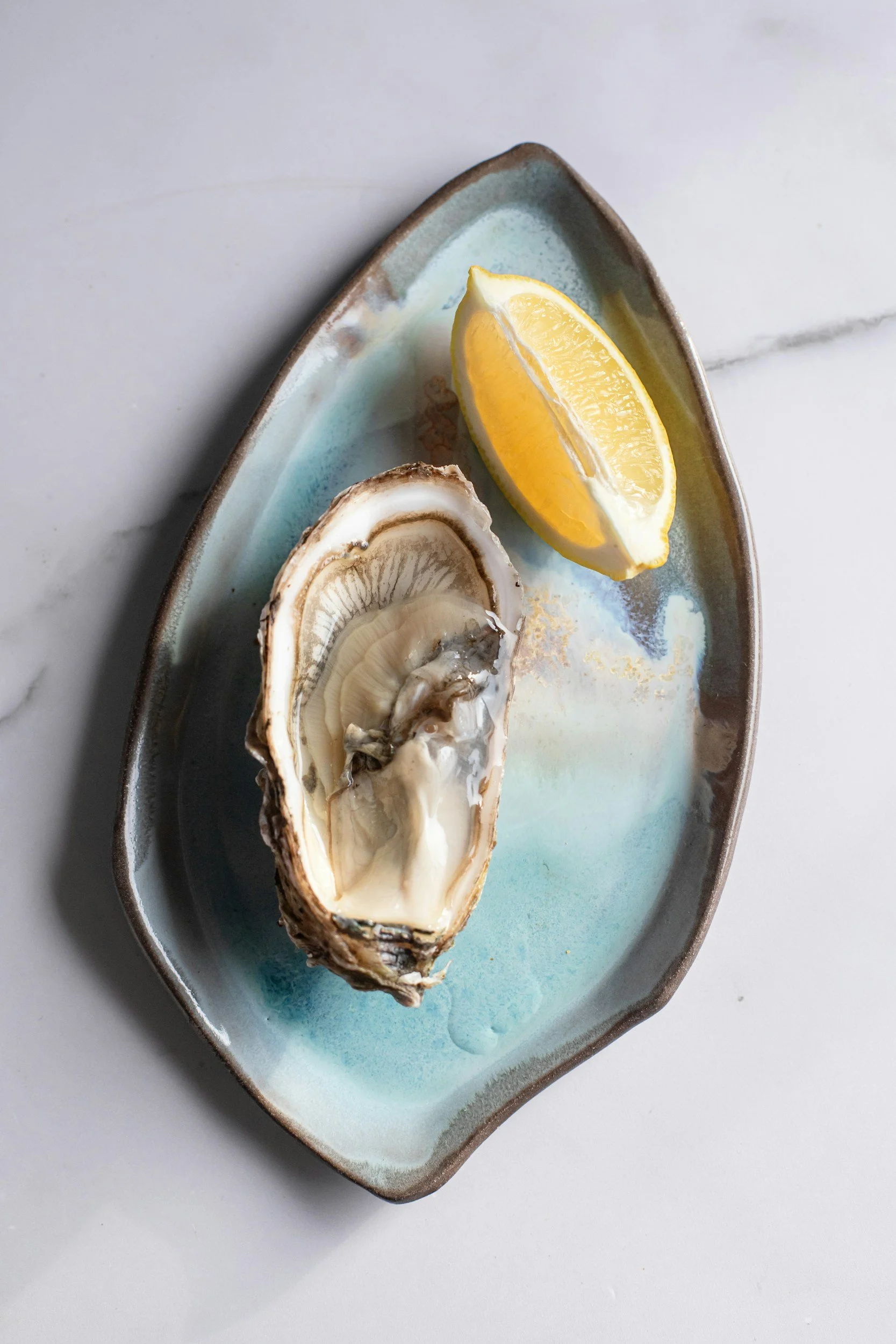
Photo by Anna Jakutajc-Wojtalik / Unsplash
How climate and water salinity shape flavor differences
Across all three: warmer, nutrient-heavy water (Gulf) makes bigger, brinier oysters. Colder, saltier Atlantic water makes firmer, cleaner ones. Milder Pacific water makes smaller, sweeter ones. It's a climate story as much as a flavor one.
Tasting Notes by Region
Quick reference, in case you want to build your own tasting cards:
Gulf: briny, plump, mild mineral finish
Atlantic: firmer, cleaner, more classically briny
Pacific: sweeter, smaller, cucumber-like finish
Mixing Varieties for an Elevated Tasting Flight
How many varieties is enough without overwhelming guests
Three regions is the number for a wedding raw bar. Enough contrast to be genuinely interesting, not so much the flavors blur together. Guests can hold three profiles in their head. Five starts getting lost.
Presentation ideas for a mixed flight (labeled tiers, tasting cards)
Tiered trays, each region on its own level, clearly labeled — gives guests an obvious visual guide. Small printed cards at the station let people self-guide if the line's moving fast.
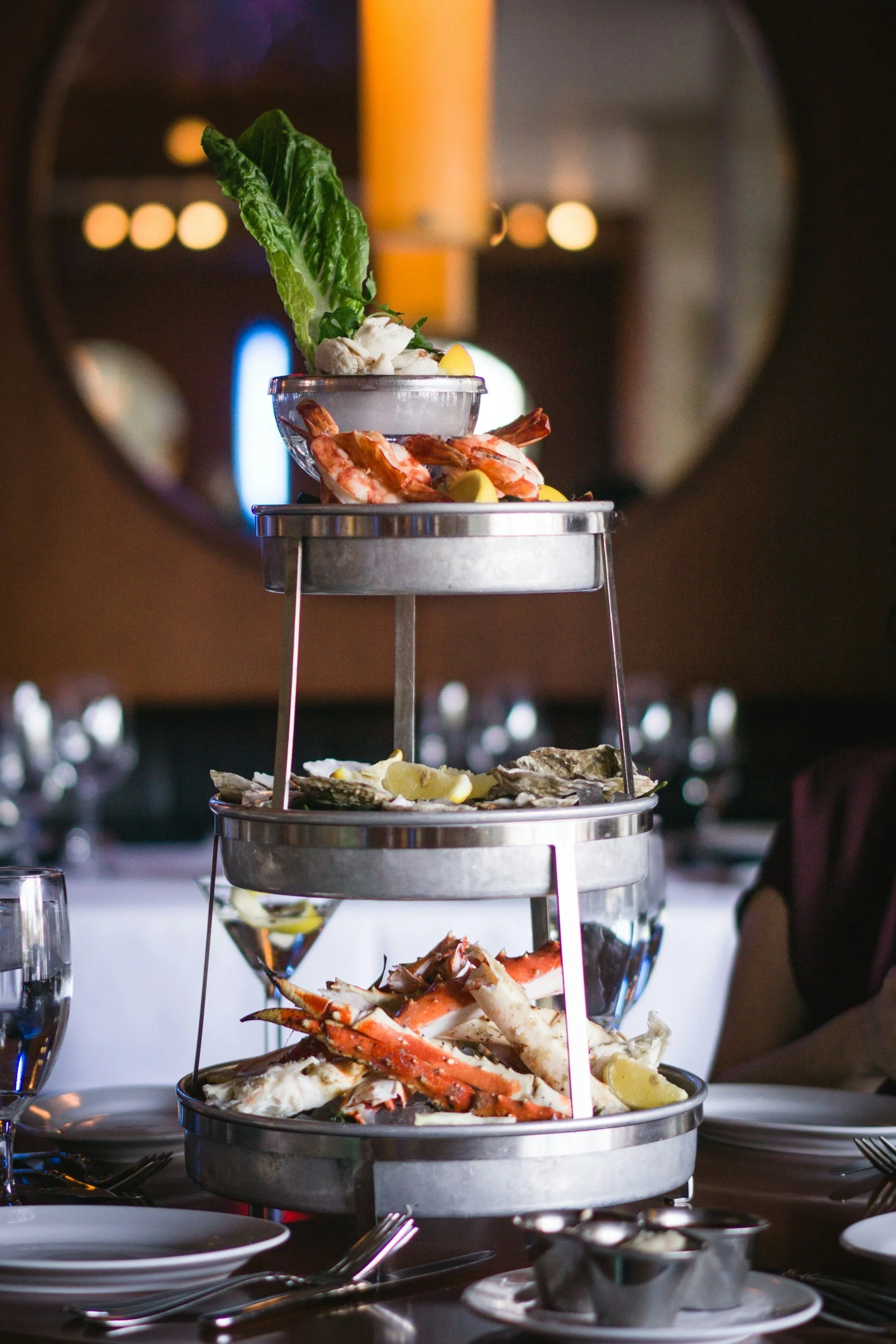
Photo by Joanie Simon / Unsplash
Pacing a tasting flight during cocktail hour
Start mild, work toward bold — Pacific, then Atlantic, then Gulf. Same logic as a wine tasting. Keeps the bigger, brinier Gulf oyster from steamrolling the palate before somebody's tried the delicate stuff.
Letting a Shucker Guide the Tasting
Why in-person guidance beats a printed card alone
A card can tell someone a Kumamoto is sweet and small. A shucker opening it right in front of them, in that exact moment, can point at the actual difference between what's in their hand and what they just ate thirty seconds ago. That real-time comparison is what actually sticks.
How a shucker can walk guests through comparisons in real time
This is where an experienced New Orleans oyster shucker earns their spot at your wedding — not just opening shells fast, but actually narrating the tasting as it happens, answering "wait, which one was the sweet one again" without breaking the pace of the line.
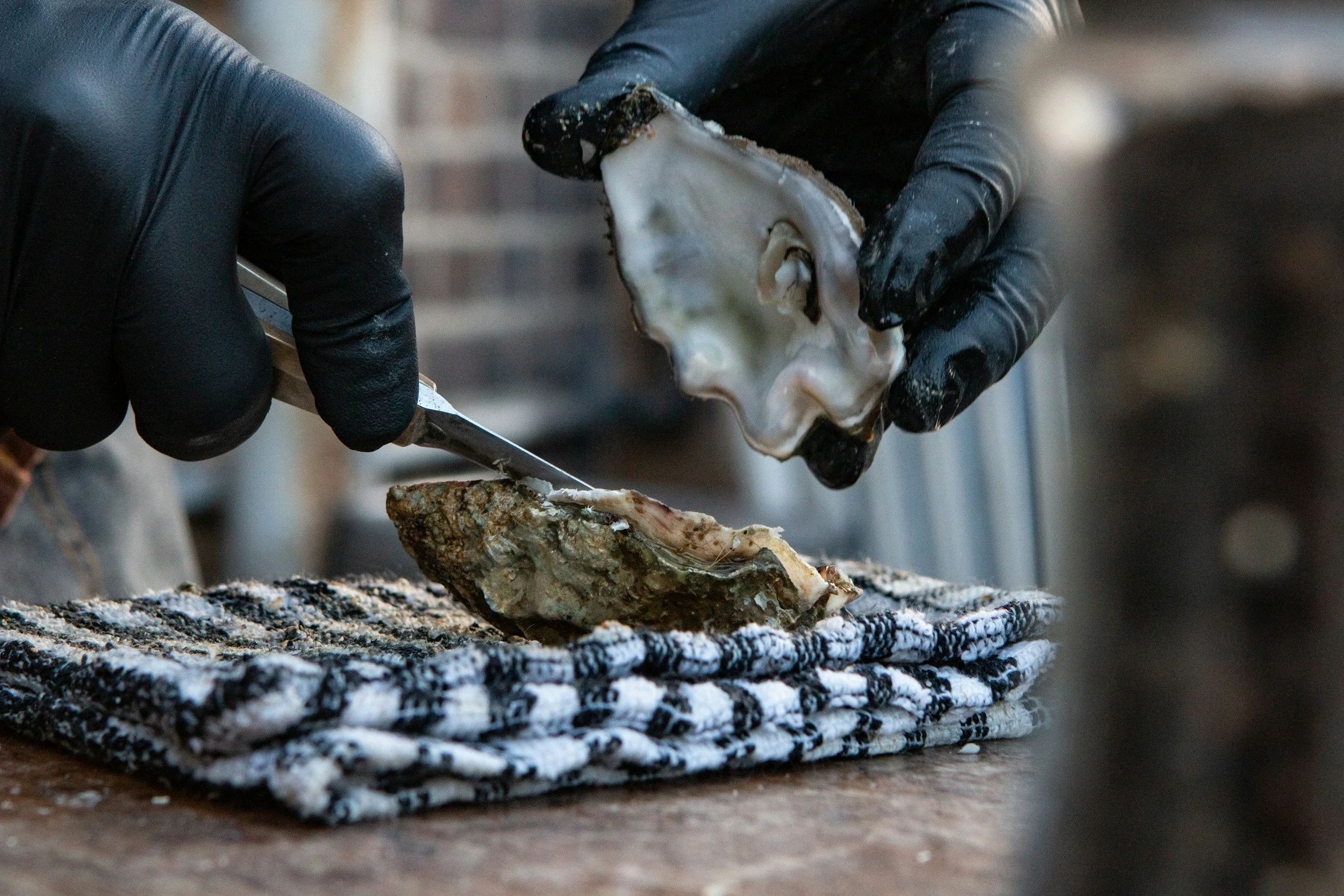
Photo by Thomas John / Unsplash
Sourcing and Seasonality Around Your Wedding Date
How availability shifts by season
Raw oyster quality generally peaks October through April across most regions. Summer oysters run softer, which is part of why raw bars lean harder on Gulf varieties in warmer months, or shift toward chargrilled once it's really hot.
Planning variety selection early with your caterer
If a multi-region flight matters to you, get it into the conversation early with your New Orleans wedding catering team. Sourcing three regions reliably for a specific date takes more lead time than sourcing one, especially outside peak season.
One Decision Within a Larger Menu
How variety selection fits into the broader catering conversation
Oyster variety is one decision inside a much bigger catering conversation, but it's low-cost and high-impact. It won't move your budget much, but it noticeably changes what guests remember. Worth raising early with whoever's handling your New Orleans catering, even if it feels small next to the bigger decisions.
Choosing Your Varieties
The only real way to know what you like is to taste it side by side yourself. Let's build a flight — Gulf, Atlantic, Pacific — so you know what you're actually building the wedding menu around.
