
Beyond the Oyster: Shrimp, Crab, and Crudo Ideas for Your Wedding Cocktail Hour
Beyond the Oyster: Shrimp, Crab, and Crudo Ideas for Your Wedding Cocktail Hour
The raw bar's always going to be the centerpiece — I'll say that upfront, I'm not talking myself out of a job here. But I've done enough of these to tell you: a raw bar and nothing else leaves guests eating one texture, one temperature, for a solid 45 minutes. The best cocktail hours I've worked build real range around it instead of leaning on it alone.
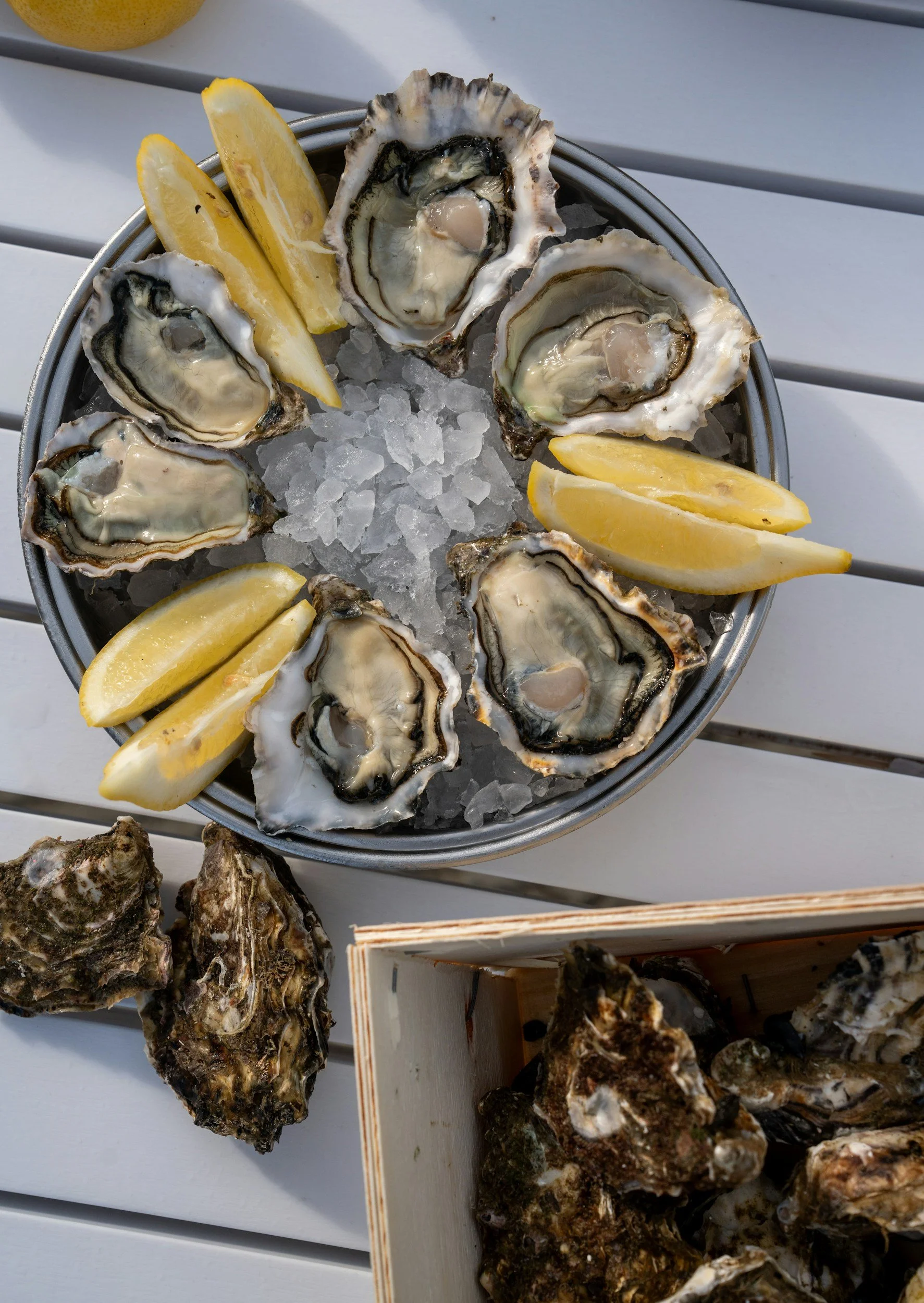
The Oyster Bar Is the Star, But Cocktail Hour Needs Range
Why guests want more than one thing to eat
Cocktail hour is often the only real food window between the ceremony and a seated dinner that might not start for another hour. People are hungry and moving around a room, which means they want things they can grab in different moments — not one station they have to keep circling back to.
Balancing the raw bar with other textures and temperatures
Raw bar's cold, briny, a little bit of a production to eat properly. Balance that with something warm, something bright and acidic, something familiar — you give guests a full range without repeating the same bite twice.
Setting expectations early in the planning process
The couples who end up happiest with cocktail hour decide on the full spread early, with their caterer — not two weeks out, bolting extra stations onto a budget that already got built around oysters alone.
Chilled Shrimp and Remoulade, Reimagined
Classic New Orleans shrimp remoulade
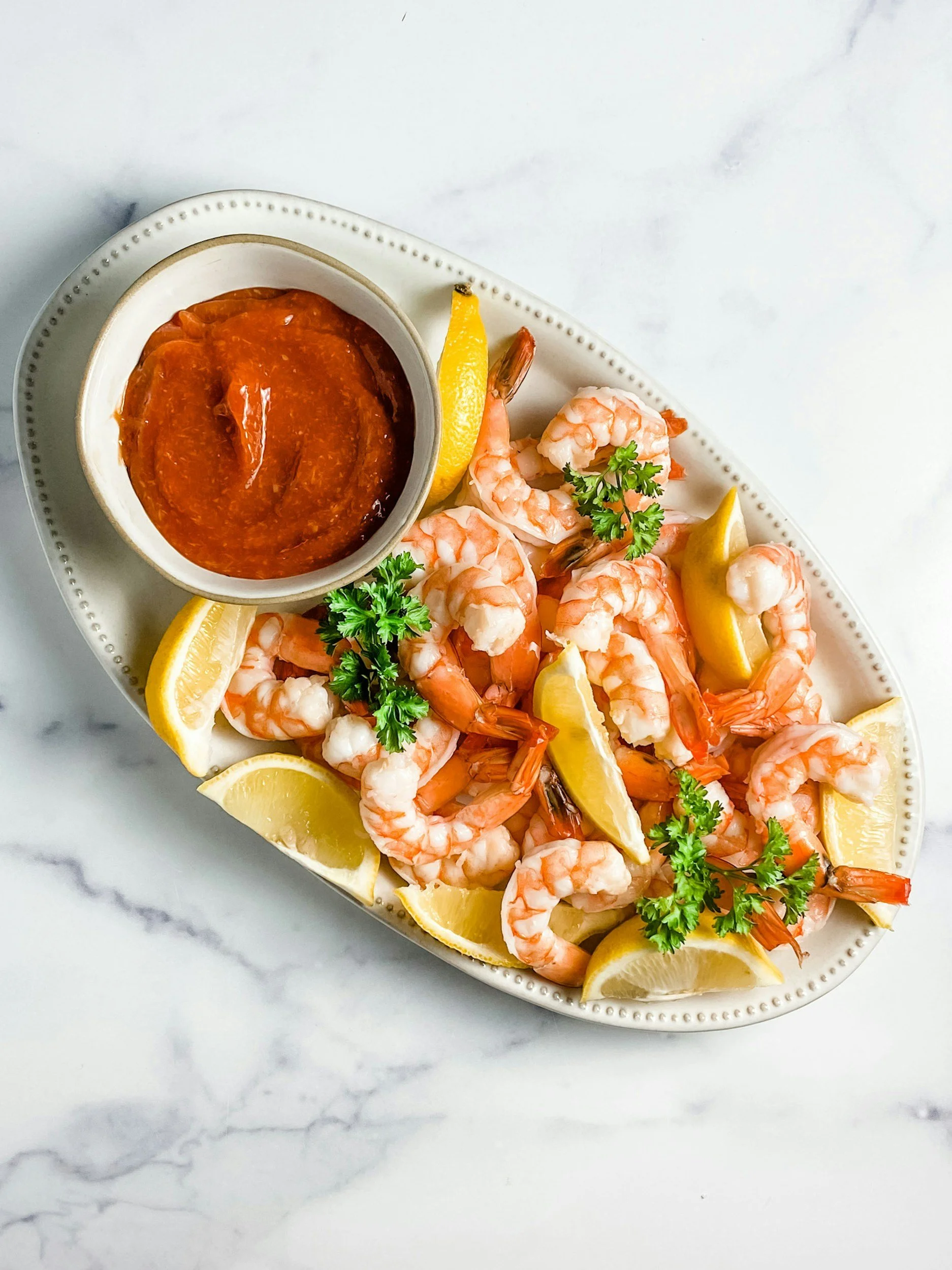
Real Louisiana remoulade — tangy, a little spicy, built on mustard and horseradish, not the mayo-heavy version you get everywhere else — is a genuine regional classic and an easy win at a New Orleans wedding. Chilled Gulf shrimp with a proper remoulade brings the same local character to the table that a michelada brings to the bar.
Presentation ideas beyond the shrimp cocktail glass
The stacked shrimp cocktail glass is fine. It's also everywhere. I'd rather do small shrimp skewers with remoulade for dipping, or a chilled display over crushed ice with the sauce in individual cups — moves people through faster and photographs a lot better than a communal glass.
Spice level considerations for a mixed guest list
Remoulade can run hot depending how it's built. For a mixed crowd — kids, older relatives, guests who don't do spicy — I always keep a milder version next to the classic instead of assuming everybody wants the full kick.
Crab Claws and Crab Fingers, a NOLA Classic
What makes Louisiana crab claws distinct
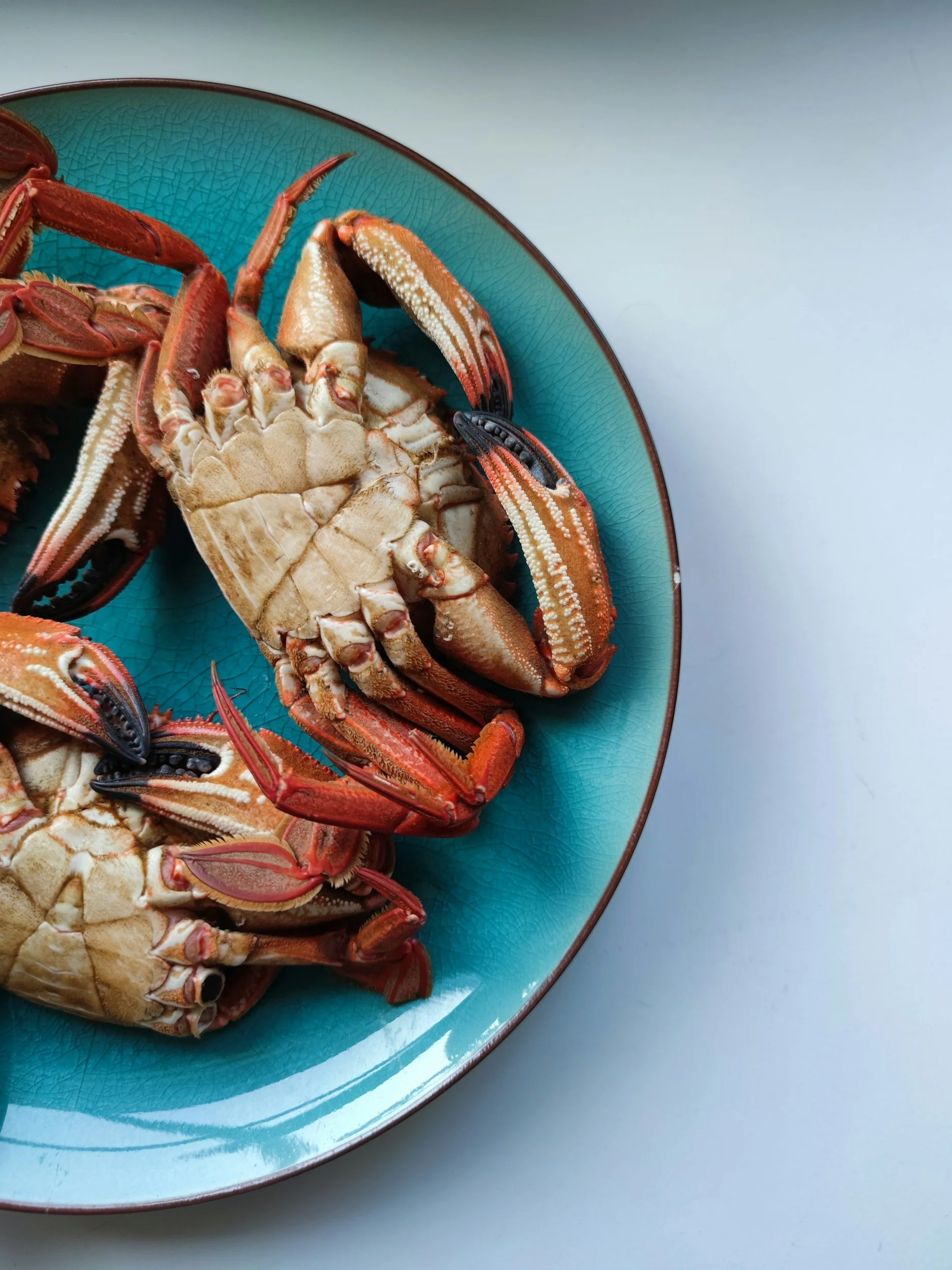
Louisiana blue crab claws — we call them "crab fingers" around here, most of the shell cracked away except a small tip to hold — are sweet, tender, and genuinely regional in a way most out-of-town guests have never had. It's one of my favorite ways to surprise people who flew in for the wedding.
Serving cold vs. lightly seasoned and warm
They can go either way. Chilled with a light vinaigrette or cocktail sauce works well earlier in cocktail hour while the raw bar's also running. Lightly sautéed warm in butter and garlic works well later once raw bar traffic slows down.
Sourcing and seasonality notes
Louisiana blue crab runs best and cheapest spring through early fall. Late fall or winter weddings can still get crab, but I'd confirm availability and pricing with your caterer early rather than assume it's guaranteed year-round.
Crudo and Ceviche Stations as an Interactive Option
What crudo adds that a raw bar doesn't
Crudo — thin-sliced raw fish, dressed simple with citrus, oil, salt — is a different raw experience than oysters. Cleaner, more delicate. Often more approachable for guests who are curious about raw seafood but find a whole oyster intimidating.
Simple ceviche builds that travel well outdoors
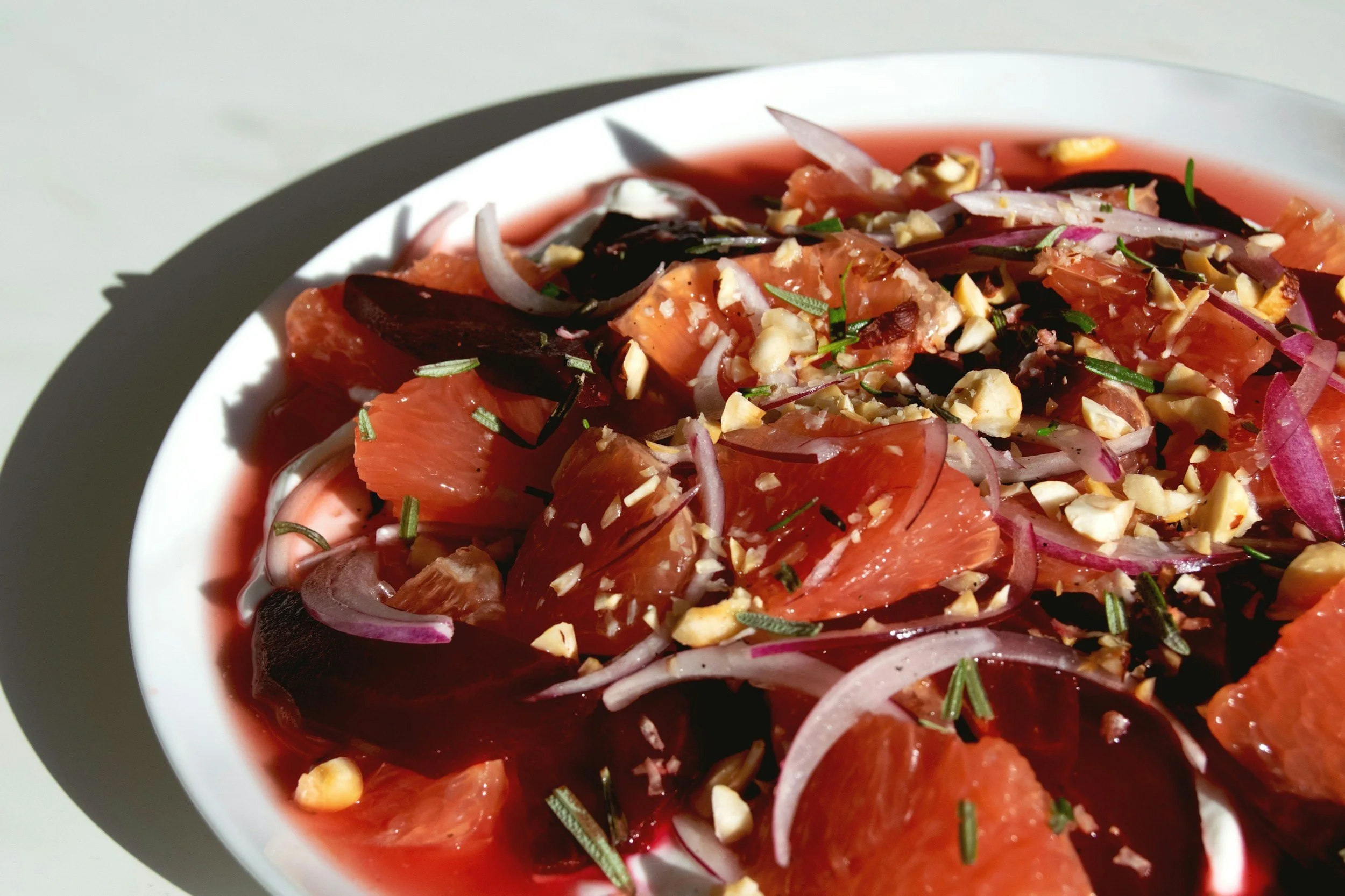
A straightforward shrimp or white fish ceviche — citrus-cured, diced onion, cilantro, jalapeño — holds up way better in New Orleans heat than a delicate crudo does, and it travels well if your venue has any distance between prep and service.
Letting guests customize their own bite
A small build-your-own element — a couple toppings, a hot sauce bar next to the ceviche — turns a passive station into something people actually engage with. That's usually the exact moment people photograph.
Passed Bites vs. Stationary Display
Pros and cons of each format
Passed bites keep people mingling and moving, which is generally what you want. They also need more staff and tighter timing. A stationary display lets guests linger and come back, but it can bottleneck if it's the only option in the room. Most strong cocktail hours use both — a stationary raw bar as the anchor, passed bites filling in around it. This is exactly the kind of call worth making directly with your New Orleans catering team rather than guessing alone.
How guest count and venue layout affect the decision
A tight courtyard with 80 guests can run almost entirely on passed bites without traffic jams. A sprawling 250-guest reception with multiple rooms usually needs stationary anchors in more than one spot, or the people in the far room never see the good stuff.
Why the Raw Bar Still Anchors the Spread
Keeping the oyster bar as the centerpiece even with other stations added
None of this is meant to knock the raw bar down a peg — it should still be the visual centerpiece of the room. Shucking in front of people is a real show in a way a shrimp platter just isn't. The other stations exist to support that, not compete with it.
How a dedicated shucker keeps that anchor station running smoothly
More stations means more moving parts, which makes it even more important the raw bar itself doesn't slow down. A dedicated New Orleans oyster shucker focused only on that station — not pulled to help somewhere else — is what keeps the anchor of the whole spread actually running at the pace guests expect.
Building a Cocktail Hour Spread That Complements the Full Menu
Coordinating cocktail hour with the rest of the wedding menu
Cocktail hour shouldn't get planned in a bubble away from the seated dinner. If crab or shrimp shows up heavy during cocktail hour, check that dinner isn't repeating the same protein — guests notice repetition even when they can't say exactly why the meal felt flat.
Avoiding redundant flavors or repeated proteins later in the reception
Simple rule I use: whatever's featured at the raw bar or cocktail stations, steer the seated menu somewhere else. Seafood cocktail hour, land-based dinner (or the reverse) reads as more thoughtfully composed than seafood at every single course. Easy to miss without pulling the whole New Orleans wedding catering plan together from the start.
Planning Your Spread
If you're picturing a cocktail hour with real range — raw bar anchoring the room, crab and shrimp bringing local character, maybe a ceviche station for something bright — let's talk it through and build it around your actual guest count and venue.
